Trump Administration’s Federal Intervention in Washington, D.C., Draws National Attention
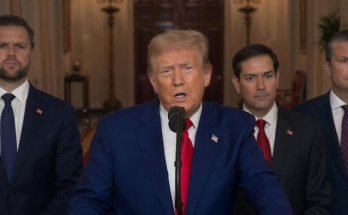
WASHINGTON, D.C. — President Donald J. Trump’s decision to intervene in Washington, D.C.’s public-safety operations has triggered a major national debate over federal authority, local control, crime, and the role of the National Guard in the nation’s capital.
The administration described the intervention as a necessary response to concerns about crime and public safety. Trump invoked Executive Order 14333, declaring a crime emergency in the District and directing expanded federal involvement in policing. The move immediately placed renewed attention on the unusual powers available to the federal government under the District of Columbia’s unique legal framework.
At the center of the dispute is Section 740 of the District of Columbia Home Rule Act, a provision that allows the president to assume control of the Metropolitan Police Department under specific emergency circumstances. Supporters of the intervention argued that the measure was justified by persistent concerns about violent crime, carjackings, homelessness, and public disorder.
The federal response involved multiple law-enforcement agencies and National Guard personnel operating in and around the capital. Their presence was highly visible, particularly around major transportation centers, federal properties, parks, and other heavily trafficked areas. The deployment was intended to increase enforcement and restore public confidence in neighborhoods affected by crime.
Trump characterized the initiative as a major effort to restore safety in Washington. Supporters welcomed the stronger federal presence, arguing that the city had struggled for years with public-safety challenges and that extraordinary circumstances required an aggressive response.
Conservative lawmakers also praised the administration’s approach. Congressman Andy Barr, for example, said Trump would work to address crime, corruption, and homelessness in Washington, comparing the effort with the administration’s broader public-safety and border policies.
However, the intervention also generated strong criticism from local officials, civil-liberties advocates, and progressive organizations. Critics questioned whether the federal government had gone too far in overriding local authority and warned that an expanded military and federal law-enforcement presence could undermine Washington’s autonomy.
Civil-rights groups also raised concerns about potential constitutional issues, policing practices, and the impact of aggressive enforcement on vulnerable communities. Some immigrant advocates expressed anxiety that a larger federal presence could increase fears of immigration enforcement, even though crime-control operations and immigration enforcement are legally distinct functions.
Washington’s local government has historically exercised authority over many municipal affairs under the Home Rule Act, while Congress retains substantial oversight of the District. The president’s decision therefore highlighted the unusual relationship between local government and federal power in the capital.
Supporters viewed the intervention as a necessary effort to restore order and reassure residents, while opponents saw it as an alarming expansion of executive authority.
The controversy ultimately extends beyond Washington’s crime statistics. It raises broader questions about how far presidential power should reach in the District of Columbia, how emergencies should be defined, and how public safety can be balanced with local democratic control and civil liberties.
As federal and local authorities continue navigating the intervention, Washington remains at the center of a national discussion over security, accountability, and the future of governance in the U.S. capital.