Justice Clarence Thomas Defends Florida’s Right to Be Heard
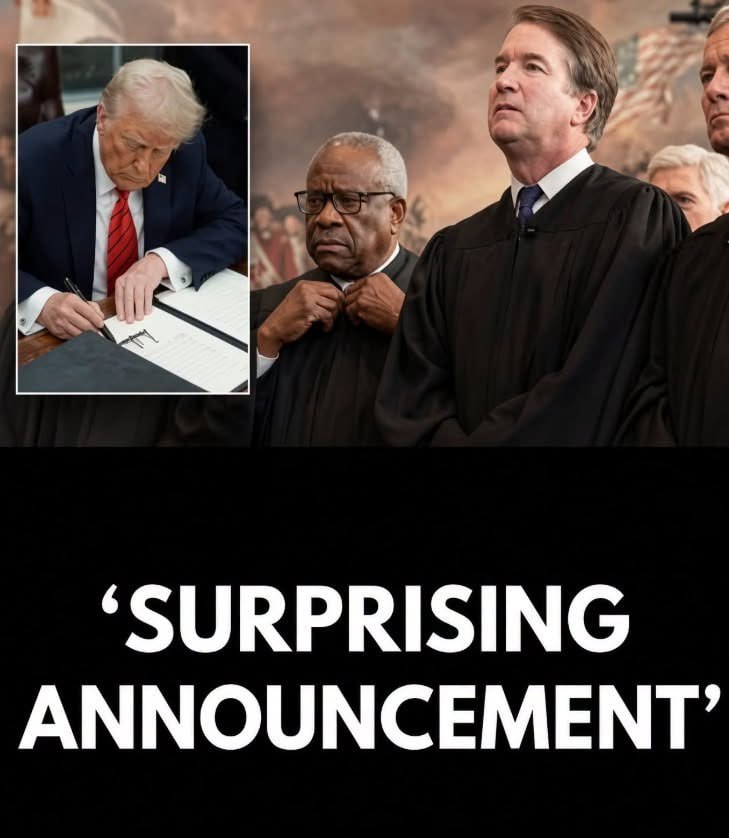
Justice Clarence Thomas is not known for speaking frequently during oral arguments before the U.S. Supreme Court. He is generally calm, measured, and occasionally quick to laugh. But when he believes the Constitution or the authority of the Supreme Court is being undermined, Thomas has shown that he is willing to speak forcefully.
That happened Tuesday when Thomas criticized the Court’s decision to reject a lawsuit brought by Florida against California and Washington.
Thomas accused the two states of undermining federal immigration and commercial trucking regulations following a deadly highway crash in Florida. He argued that Florida had no other judicial forum in which to pursue its claims against the states.
Florida alleged that California and Washington improperly issued commercial driver’s licenses to immigrants who were not legally eligible under federal requirements. The state argued that violations of federal licensing standards—including requirements involving English proficiency and immigration status—could create serious public-safety risks on the nation’s highways.
Thomas, joined by Justice Samuel Alito, argued that the Supreme Court had a constitutional responsibility to consider the dispute because lawsuits between states fall within the Court’s original jurisdiction.
“If this Court does not exercise jurisdiction over a controversy between two States, then the complaining State has no judicial forum in which to seek relief,” Thomas wrote.
Thomas emphasized that the case was not simply an ordinary appeal in which the Court could freely decide whether to intervene. In his view, disputes between states present a different constitutional question because the Supreme Court is uniquely positioned to resolve them.
He also pointed to the fatal Florida crash involving truck driver Harjinder Singh, citing allegations that Singh could not adequately read English-language road signs. Thomas argued that Florida’s concerns about commercial driver licensing deserved serious judicial consideration.
Federal law and regulations establish requirements for commercial drivers, including testing, English-language proficiency, and appropriate immigration status. Florida argued that states should not be permitted to disregard those federal standards.
Thomas further rejected the idea that the Court could simply decline to exercise jurisdiction when the Constitution assigns it authority over disputes between states.
“We have no more right to decline the exercise of jurisdiction which is given, than to usurp that which is not given,” he wrote.
The dissent raises a fundamental question about the role of the Supreme Court: If one state believes another state has violated federal law and caused harm, where else can that state seek judicial relief when the dispute falls within the Supreme Court’s original jurisdiction?
Thomas and Alito concluded that Florida deserved the opportunity to have its claims heard.
The majority’s decision, however, leaves Florida without the avenue of relief it was seeking in this case. For critics of the ruling, the issue extends beyond the trucking dispute itself. They argue that the Supreme Court has a constitutional responsibility to serve as the forum for serious disputes between states—and that refusing to hear such a case risks weakening one of the Court’s most important constitutional functions.