Another day, another federal court ruling that has reignited debate over the Trump administration’s military policies.
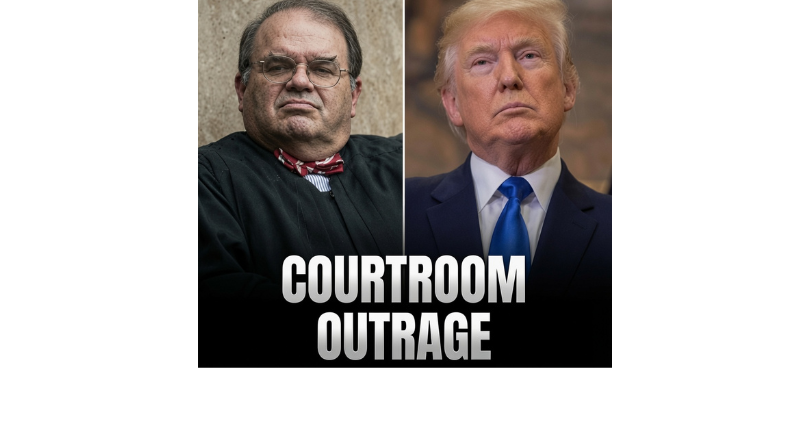
On Monday, a federal appeals court ruled 2-1 that key portions of the Trump administration’s policy restricting transgender individuals from serving in the U.S. military were likely unconstitutional. The majority concluded that parts of the policy appeared to be motivated by discrimination rather than legitimate military concerns.
The court wrote that the policy “appears to be driven by the bare desire to harm a politically unpopular group” and described the restrictions implemented under Defense Secretary Pete Hegseth as “arbitrary and based on animus.”
According to the ruling, the policy targeted applicants and service members based on what the administration considered a “false gender identity” and extended well beyond disqualifying individuals currently diagnosed with gender dysphoria. The judges also found that several disqualifications lacked a clear explanation or reasonable justification.
Supporters of the administration strongly disagree. They argue that military service is a privilege—not a constitutional right—and that the armed forces have long maintained medical, physical, and psychological standards designed to ensure readiness. They contend that the military regularly excludes individuals with certain medical conditions and that courts should defer to military leaders when setting personnel policies.
Critics of the ruling also argue that the military’s primary mission is national defense, not social policy, and believe judicial intervention could undermine commanders’ ability to establish service requirements.
Despite the ruling, the appeals court allowed the Trump administration’s ban on new transgender enlistments to remain in effect while the legal challenge continues, meaning the broader legal battle over the policy is far from over.