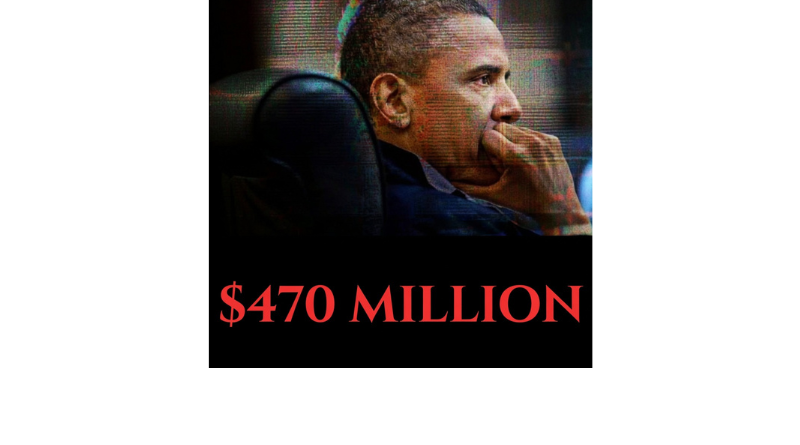
The Obama Presidential Center is facing renewed scrutiny as questions continue to emerge over whether taxpayers could eventually be left responsible if the project encounters serious financial problems. Critics point to the Obama Foundation’s pledge to establish a $470 million endowment, which was intended to help cover future operating and maintenance costs while protecting the public from potential financial obligations.
The concerns gained momentum after reports that several contractors and subcontractors involved in the project have claimed they suffered significant financial losses. Some allege they remain involved in payment disputes worth hundreds of thousands or even millions of dollars, raising fresh questions about the project’s financial management.
Under its agreement with the City of Chicago, the Obama Foundation secured a 99-year lease for a 19.3-acre section of Jackson Park. In return, the foundation agreed to pay $10 for the lease and committed to creating the endowment as a financial safeguard. Publicly available financial filings previously indicated that only $1 million had been placed into the reserve fund, prompting critics to question whether the original commitment is being fulfilled.
The project’s construction costs have also increased dramatically. Originally estimated at approximately $330 million, the development was later projected to cost at least $850 million, with no updated final price publicly announced.
Critics argue that without a fully funded endowment, the city could eventually face pressure to maintain the property if fundraising declines or financial difficulties arise. They contend that the reserve fund was specifically designed to prevent taxpayers from assuming those responsibilities.
The Obama Foundation disputes those concerns, maintaining that the presidential center is financed through private donations and that public funds are not being used for construction or operations. Foundation officials have rejected suggestions that taxpayers face any immediate financial risk, emphasizing that the project remains privately funded despite ongoing criticism and legal challenges.