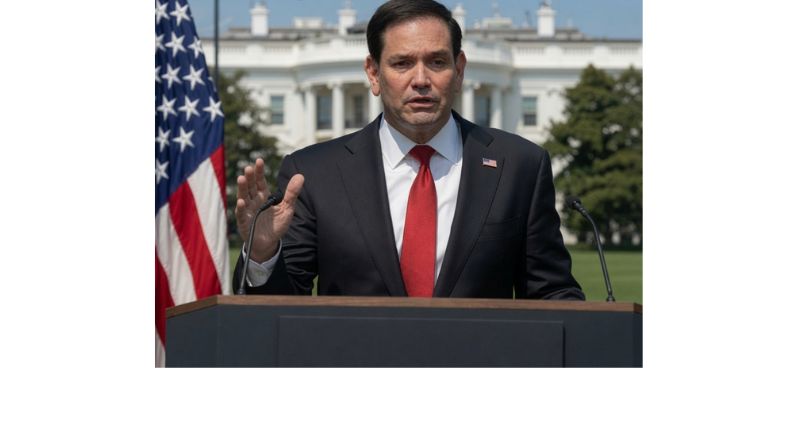
A reported shift in Marco Rubio’s responsibilities has drawn attention to one of the federal government’s least visible but most influential oversight functions. Rather than focusing on public speeches or legislative action, the discussion centers on an office that reviews major regulatory proposals before they can move through the federal rulemaking process.
This review function serves as an important checkpoint for regulations affecting areas such as environmental protection, workplace safety, public health, and economic policy. While agencies spend months or even years developing proposed rules, the review process can significantly influence when those regulations advance, require revisions, or face additional analysis before implementation.
The growing attention surrounding this role has renewed debate over how regulatory oversight should operate. Supporters argue that centralized review promotes consistency across federal agencies, prevents unnecessary duplication, and evaluates the broader economic effects of proposed regulations. They contend that careful oversight helps ensure government policies remain coordinated and effective.
Critics, however, question whether such authority provides sufficient transparency. Because much of the review process occurs outside the public spotlight, concerns have been raised about delays, decision-making standards, and the limited visibility into how certain regulatory proposals are handled. These concerns have fueled broader discussions about accountability within the federal government.
Observers say the effectiveness of any oversight office ultimately depends on its leadership, communication, and consistency. They will closely monitor how regulatory reviews are managed, whether timelines remain predictable, and how agencies receive guidance throughout the process. Clear procedures and greater public transparency could strengthen confidence in the system while reducing uncertainty for stakeholders.
The broader conversation extends beyond any single official. It reflects an ongoing debate about how government authority is exercised behind the scenes, where procedural decisions can have lasting effects on national policy. As interest in regulatory oversight continues to grow, many expect continued scrutiny of the processes that shape federal regulations before they ever reach the public.