avor of the Federal Communications Commission (FCC), preserving the agency’s authority to impose administrative fines on telecommunications companies for privacy violations. The decision rejected constitutional challenges brought by AT&T and Verizon over penalties tied to the alleged mishandling of customers’ real-time location data.
The dispute centered on more than $104 million in FCC fines issued in 2024 after investigations into practices first revealed in 2018. Both companies argued that the FCC’s enforcement process violated their Seventh Amendment right to a jury trial because penalties could be imposed through administrative proceedings.
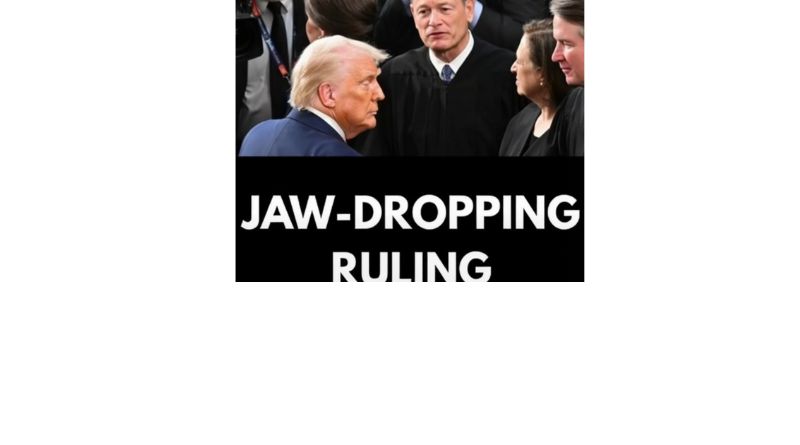
Writing for the majority, Chief Justice John Roberts concluded that the process remains constitutional because companies can refuse to pay the fines, requiring the government to pursue enforcement in federal court, where a jury trial is available. Roberts said FCC forfeiture orders do not create an immediate legal obligation to pay and are not final determinations of liability.
Justice Clarence Thomas was the sole dissenter. The ruling resolves conflicting decisions from lower federal courts and strengthens the FCC’s ability to enforce telecommunications and consumer privacy laws. Consumer advocates praised the decision, arguing it ensures regulators can continue holding companies accountable for improperly handling sensitive customer location data.