Washington Didn’t See This Coming
Washington didn’t see this coming. With a single order and a single signature, the nation’s capital was transformed almost overnight.
Sirens echoed through neighborhoods. Armored vehicles moved through city streets, while an uneasy silence settled over communities. Crime statistics began falling quickly, but for many residents, the sense of fear did not disappear—it simply changed shape.
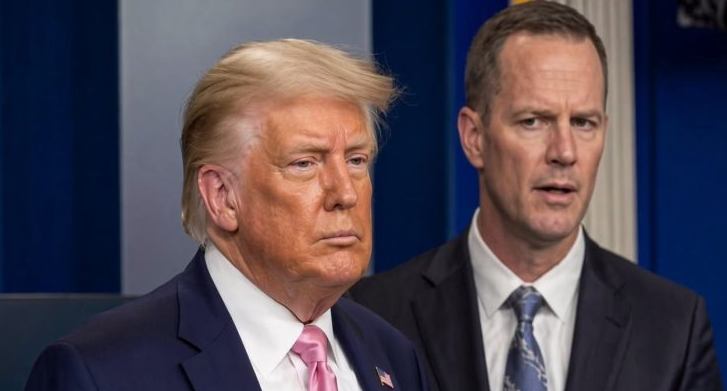
President Donald Trump’s decision to federalize Washington, D.C., accomplished in days what years of policy debates, press conferences and pilot programs had struggled to achieve: it dramatically changed the atmosphere of the city.
For some residents, the transformation has brought a welcome sense of security. They say they can finally walk home without constantly looking over their shoulders. Community group chats that once overflowed with crime alerts and surveillance footage have grown quieter. To these residents, the increased federal presence represents long-overdue action—and evidence that their concerns about public safety are finally being taken seriously.
But on those same streets, others describe a very different reality.
Many residents say they are now living with a new kind of anxiety.
Some say they have become more cautious about where they go and whom they encounter. Parents worry about how their children might respond if approached by federal officers on the way home from school or while playing in neighborhood parks. Community advocates say some immigrant families have become increasingly reluctant to answer their doors or interact with authorities because of concerns about immigration enforcement.
The changes have also raised questions within law enforcement. With federal agencies, local police and specialized task forces operating alongside one another, some officers have expressed uncertainty over jurisdiction and who ultimately has authority during certain incidents.
What began as an aggressive campaign to address crime has therefore evolved into a much broader debate over security, civil liberties and public trust.
Washington now stands at the center of a profound national question: Can a community truly feel safe if greater security is accompanied by fear, uncertainty and diminished confidence in public institutions?
As the nation’s capital adjusts to this new reality, the debate over what “law and order” should mean in a democracy is becoming impossible to ignore.