Rescuers Race Against Time as Venezuela Earthquake Death Toll Reaches 589
Rescue crews in Venezuela are racing to find survivors trapped beneath collapsed buildings as the country confronts the devastating aftermath of two powerful earthquakes. At least 589 people have reportedly died, nearly 3,000 others have been injured, and many remain missing or trapped beneath massive amounts of debris.
The second earthquake was described as the strongest to strike Venezuela in more than a century, intensifying the humanitarian emergency in a country already struggling with severe political and economic challenges.
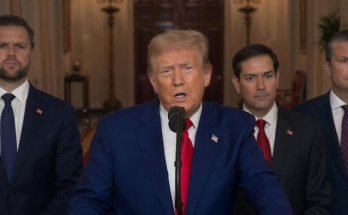
President Donald Trump has pledged to expand U.S. assistance following the disaster. Speaking from the Rose Garden on Thursday, Trump said the United States would help Venezuela respond to the earthquake and provide support as rescue operations continue.
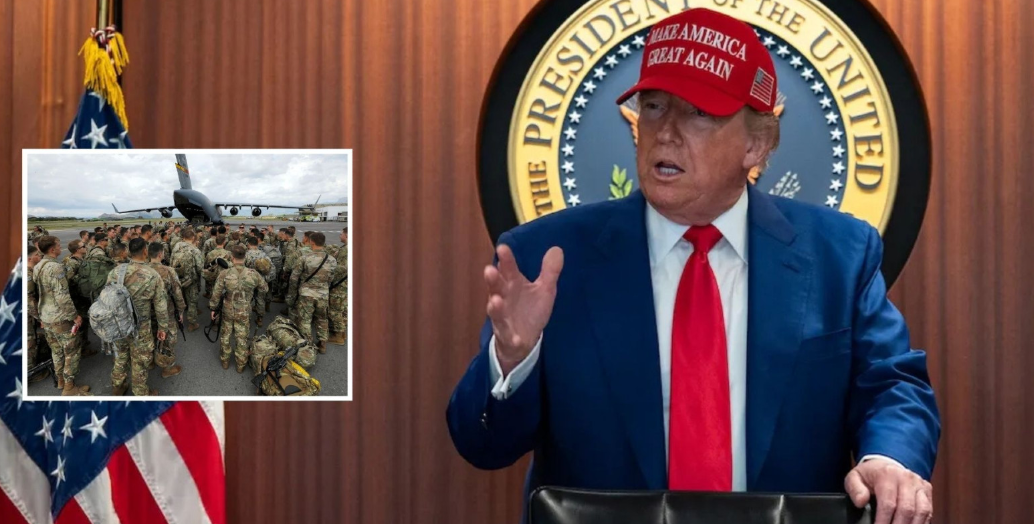
The U.S. military has begun increasing its relief efforts. Maj. Gen. Kevin J. Jarrard, a senior U.S. Southern Command official, arrived in Caracas to help coordinate the American response. According to the military, his responsibilities include organizing the movement of rescue personnel, equipment and humanitarian supplies into the areas suffering the greatest damage.
U.S. aircraft are transporting search teams and emergency supplies, while State Department officials are helping coordinate the wider international response. Southern Command said additional forces were being deployed at the request of Venezuela’s interim government.
International rescue organizations and governments have also begun sending assistance as the scale of the catastrophe becomes clearer.
Acting President Delcy Rodríguez said emergency crews were working continuously to save lives and expressed appreciation for international support. She said rescue teams had already managed to save dozens of people.
La Guaira has emerged as one of the hardest-hit areas. Interior Minister Diosdado Cabello said more than 100 buildings had collapsed across the state, identifying Caraballeda and Catia La Mar among the communities suffering the most extensive damage. Authorities planned to deploy thousands of security personnel to the region as rescue and stabilization efforts continued.
Specialized Venezuelan teams are using heavy machinery and equipment capable of carefully breaking through concrete in their search for survivors. Officials have urged members of the public to avoid interfering with professional rescue operations, warning that uncoordinated efforts could further endanger people trapped beneath the rubble.
Authorities say saving lives remains the immediate priority, while crews also work to restore essential services, including water supplies and communications.
Washington has also eased certain financial restrictions to facilitate earthquake relief. The U.S. Treasury Department said transactions connected to authorized humanitarian earthquake-relief activities would be permitted under a temporary authorization.
Despite the international response, frustration is growing among Venezuelans who say rescue operations have been too slow. Economist Jorge Jraissati said many residents are frightened because they do not believe the government has the capacity to respond effectively to the disaster.
With survivors potentially facing diminishing chances of rescue as time passes, emergency crews continue working around the clock in a desperate race against time.