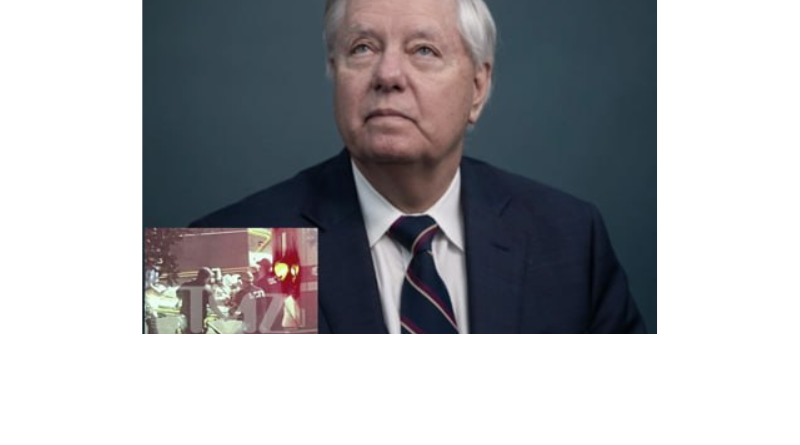
Senator Lindsey Graham of South Carolina died Saturday at the age of 71, bringing an end to a decades-long career in military and public service that left a lasting mark on American politics. His office announced that he passed away following a brief and sudden illness. According to preliminary findings from the District of Columbia medical examiner, Graham suffered an aortic dissection associated with underlying cardiovascular disease, though the final report is still pending.
Just two days before his death, Graham had been in Kyiv meeting with Ukrainian President Volodymyr Zelenskyy to discuss continued support for Ukraine and efforts aimed at ending the war with Russia. Friends and colleagues noted that he remained actively engaged in his work until the very end. He had also been scheduled to appear on NBC’s Meet the Press on Sunday morning, continuing a long history of appearances on the program.
President Donald Trump led the tributes, remembering Graham as a dedicated public servant and longtime friend. In a statement, Trump said Graham was “one of the greatest people and Senators” he had ever known, praising his commitment to the country and describing him as a true American patriot whose loss would be deeply felt.
Throughout his career, Graham became one of the Senate’s most recognizable Republican voices on national security and foreign policy. Before entering politics, he served for more than three decades in the U.S. Air Force Reserve, retiring with the rank of colonel. In the Senate, he earned a reputation for his outspoken views and willingness to engage in difficult debates, particularly on military affairs and judicial confirmations.
Following Russia’s invasion of Ukraine, Graham traveled to the country numerous times, meeting with Ukrainian officials and advocating continued American support. His visits underscored his belief that defending Ukraine was vital to international security and the interests of the United States.
Leaders from around the world also honored his legacy. Israeli Prime Minister Benjamin Netanyahu described Graham as one of Israel’s strongest allies and a close personal friend. President Zelenskyy called him a steadfast defender of freedom whose support would not be forgotten. NATO Secretary-General Mark Rutte praised Graham’s commitment to the alliance, while Senate Majority Leader John Thune recognized his years of service and dedication to democratic values.
Graham had already secured the Republican nomination for another Senate term before his passing. Under South Carolina law, Governor Henry McMaster will appoint an interim senator to serve until a replacement is elected. The Republican Party will hold a special primary to select a new nominee ahead of the general election, where the eventual GOP candidate is expected to face Democratic nominee Annie Andrews.
For many Americans, Lindsey Graham’s career reflected decades of military service, legislative leadership, and active involvement in foreign policy. Whether admired or criticized for his positions, he remained one of the Senate’s most influential and recognizable figures. His sudden death marks the end of an era in South Carolina politics and leaves behind a legacy of public service that will be remembered by colleagues, supporters, and political opponents alike.