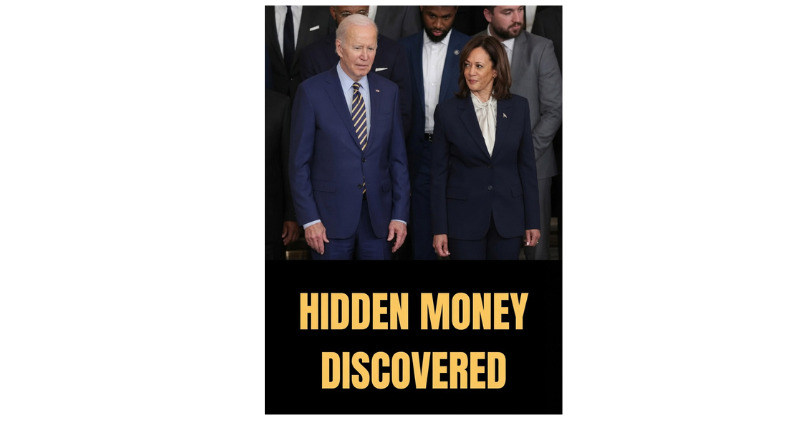
They have been out of office for a year and a half, yet many critics argue that policies from the Biden-Harris administration continue to have lasting consequences. Among the latest concerns are allegations that millions of taxpayer dollars were directed through federal agencies to non-governmental organizations (NGOs) that have been linked, directly or indirectly, to anti-Israel activism and, in some cases, organizations accused of having connections to terrorist groups.
According to a recent memo released by the House Judiciary Committee, federal funding distributed through the U.S. Agency for International Development (USAID), the State Department, and other government agencies may have reached organizations involved in anti-Israel demonstrations or groups with alleged ties to terrorism. The committee argues that these funding decisions raise serious questions about oversight and accountability for taxpayer money.
The memo outlines several findings. It claims that the Rockefeller Brothers Fund provided nearly $4 million in grants to organizations involved in anti-Israel activism, including some that have been accused of maintaining connections to terrorist organizations. It also alleges that the Tides Network, which received USAID funding, distributed more than $1 million to anti-Israel groups, including organizations the committee says have questionable affiliations.
In addition, the committee suggests that the Jewish Communal Fund, Rockefeller Philanthropy Advisors, and PEF Israel Endowment Funds may have jeopardized their tax-exempt status by supporting organizations engaged in radical anti-Israel activities. The report further criticizes the Israeli nonprofit Movement for Quality Government for failing to cooperate with congressional investigators and notes that the Abraham Initiatives, another Israeli nonprofit and USAID grant recipient, reportedly failed to comply fully with anti-terrorism procedures identified during a 2023 audit.
The committee also revisited concerns raised in a previous 2025 investigation into USAID spending. That earlier inquiry focused on U.S. grants connected to organizations involved in protests against Israeli Prime Minister Benjamin Netanyahu’s proposed judicial reforms. During that period, then-President Joe Biden publicly expressed opposition to the reforms, while media reports suggested that some U.S. grant money had indirectly supported NGOs participating in protest-related activities.
Critics argue that these developments demonstrate inadequate oversight of taxpayer-funded grants and believe federal agencies should ensure that public funds never reach organizations accused of supporting extremism. They also point to the Tides Network’s financial relationships with a variety of progressive donors, including organizations associated with George Soros, although Soros neither founded nor controls the network.
Supporters of the committee’s investigation believe the allegations warrant further scrutiny and, where appropriate, legal consequences if any laws were violated. Others caution that congressional allegations alone do not establish wrongdoing and emphasize the importance of independent investigations before drawing final conclusions. Regardless of where the evidence ultimately leads, the controversy has intensified the debate over government grant oversight, foreign aid, and the responsibility of federal agencies to safeguard taxpayer dollars from misuse.